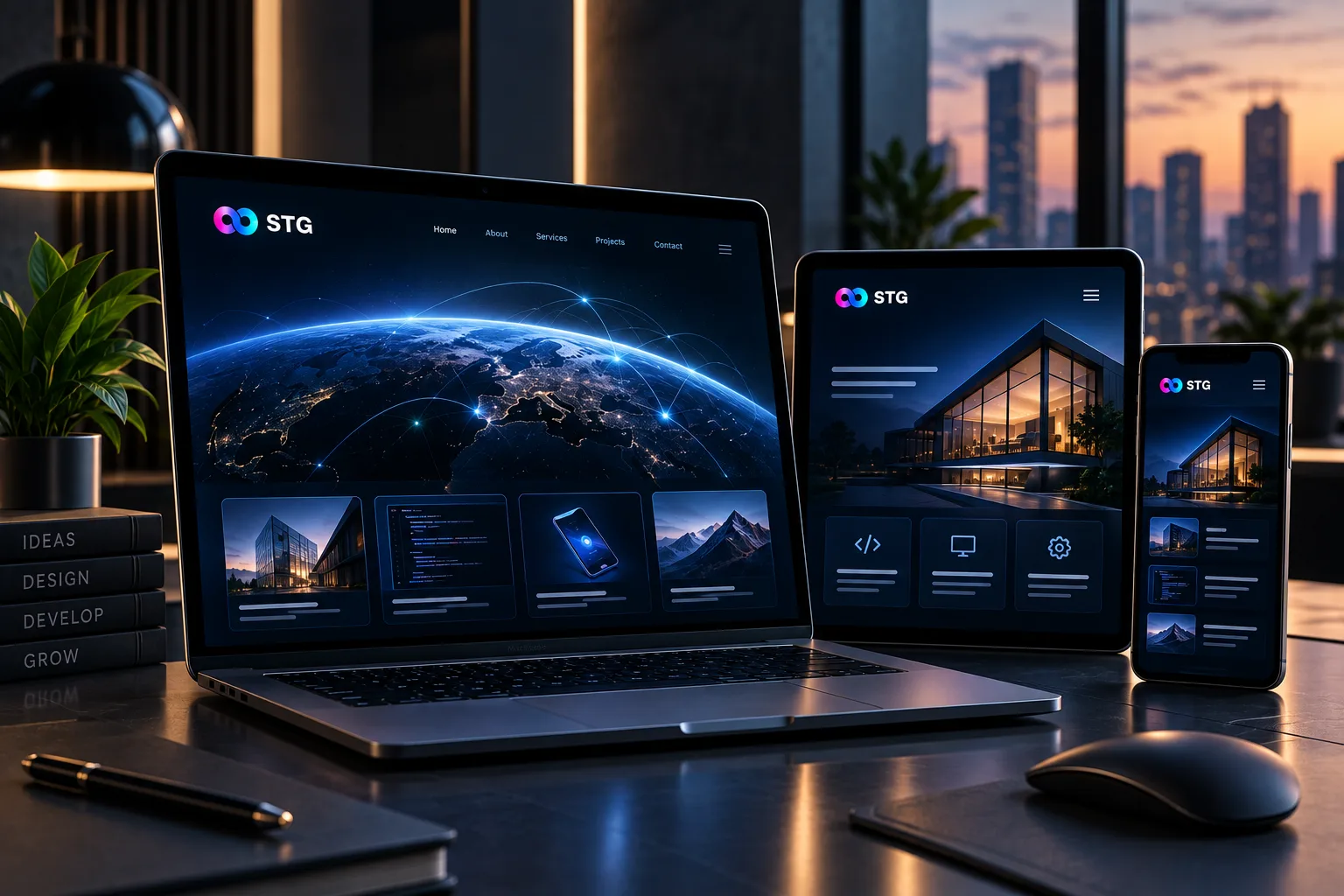


The best websites aren't designed first; they're planned first. A little preparation before you speak to any developer saves weeks of back-and-forth, avoids surprise costs and gives you a site that actually brings business. Here's a simple framework you can work through in an afternoon.
1. Write down your one main goal
What should the website achieve? More phone calls, appointment bookings, online sales, job applications or simply trust before a sales meeting? Pick one main goal; it guides every other decision.
2. Describe your ideal customer
Who are they, what are they searching for, and what worries them before they buy? Write the questions customers ask you most often. Those questions become your website content.
3. List your pages (your sitemap)
A typical business website includes:
- Home: who you are and why choose you, in seconds
- Services: ideally one page per service
- About: your story, team and credibility
- Work or portfolio: proof that you deliver
- Blog: helpful articles that bring visitors from Google
- Contact: phone, WhatsApp, map and a simple form
4. Decide the features you need now, and later
Booking, payments, a catalogue, customer logins, a chatbot? Separate what you need at launch from what can come in phase two. This keeps your first budget realistic.
5. Gather your content
Collect your logo, brand colours, photos, service details, prices you're happy to show, testimonials and certifications. If you need help writing or photographing, say so early.
6. Look at websites you like (and dislike)
Note three websites you like and three you don't, and why. This helps any designer understand your taste quickly.
7. Plan for after launch
Who will update content? How will you get new enquiries? Ask about hosting, backups, security and support.
A clear plan turns a vague request ("I need a website") into a project that can be quoted accurately and delivered on time.
We do this planning with you
At STG Digital Solutions, every project starts with mapping the website: pages, keywords and simple layouts, approved by you before design begins. Book a free planning session and leave with a clear plan, whoever you choose to build it.