
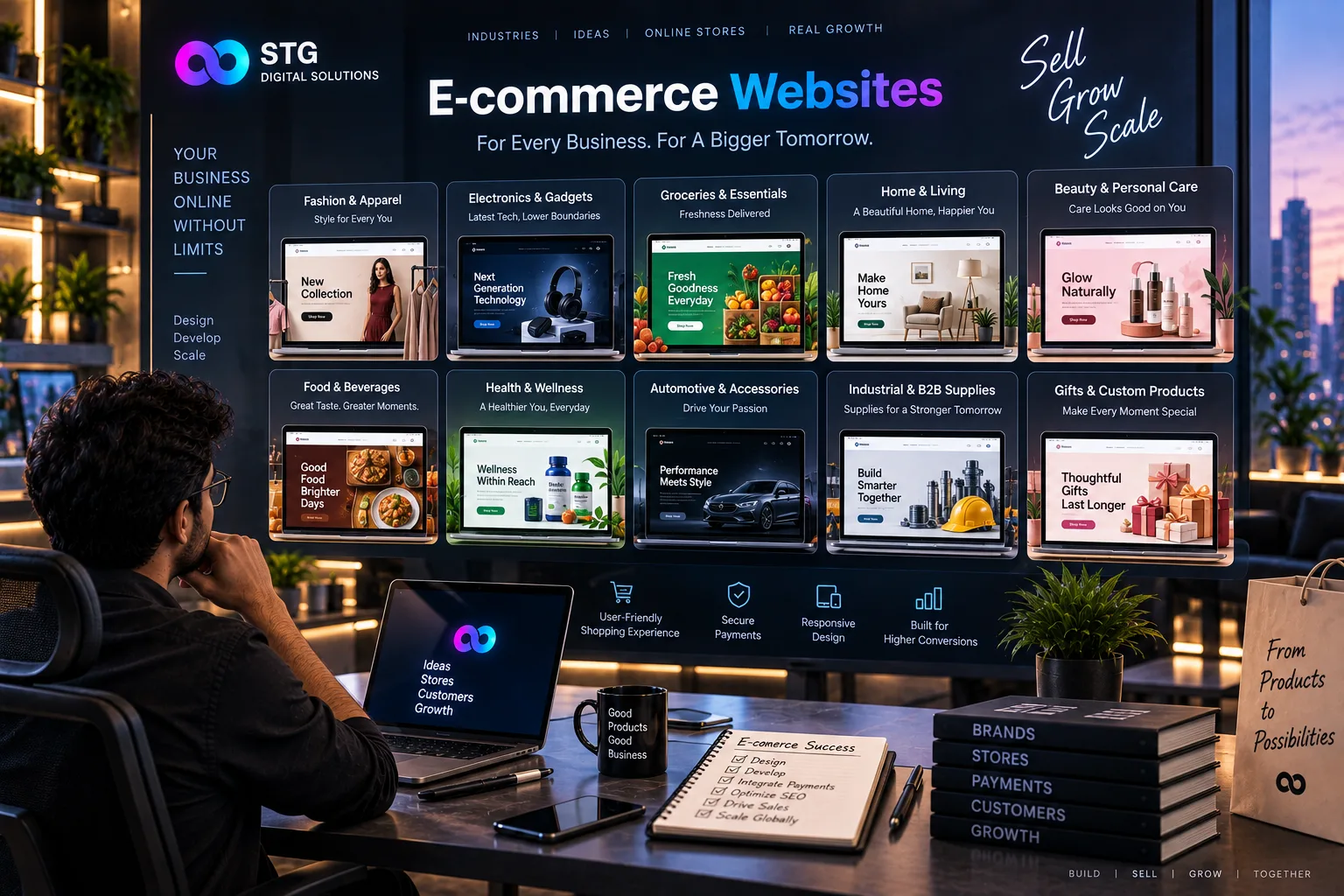
Selling online is no longer only for big brands. Whether you make handloom sarees, sell electronics from a shop in Ameerpet or run a home bakery, an online store can bring you customers from across India. Here's how to start the right way.
Step 1: Decide what and to whom you'll sell
Start with a focused range of products you know well. Be clear about who buys them, where they live and how they like to pay. This shapes every decision that follows.
Step 2: Choose your platform
- Shopify: quick to launch, reliable, monthly subscription
- WooCommerce: built on WordPress, flexible and cost-effective
- A custom store: best when you have special needs such as B2B pricing, many sellers or complex catalogues
There is no single best platform; there is only the right one for your products, budget and plans.
Step 3: Set up payments customers trust
Indian shoppers expect UPI, cards, net banking and wallets, and many still prefer cash on delivery. Use a trusted payment gateway and make checkout short: every extra step loses buyers.
Step 4: Plan shipping and returns
Shipping aggregators let you compare couriers, print labels and track parcels in one place. Write a clear, fair returns policy and show it on every product page.
Step 5: Make product pages that sell
- Sharp photos from several angles
- Honest descriptions with sizes, materials and care instructions
- Clear prices including delivery charges
- Reviews from real customers
Step 6: Handle GST and invoices properly
Make sure your store issues correct GST invoices and that your stock, orders and accounts stay in sync. Automating this early saves headaches later.
Step 7: Bring in your first customers
- Share your store with existing customers on WhatsApp and Instagram
- Set up Google and Meta ads for your best-selling products
- Work with small, relevant influencers
- Start search optimisation from day one
Build it once, build it right
A fast, mobile-friendly store with a smooth checkout is the foundation of everything else. See our e-commerce development service, or book a free consultation and we'll help you plan your store from product list to first sale.